
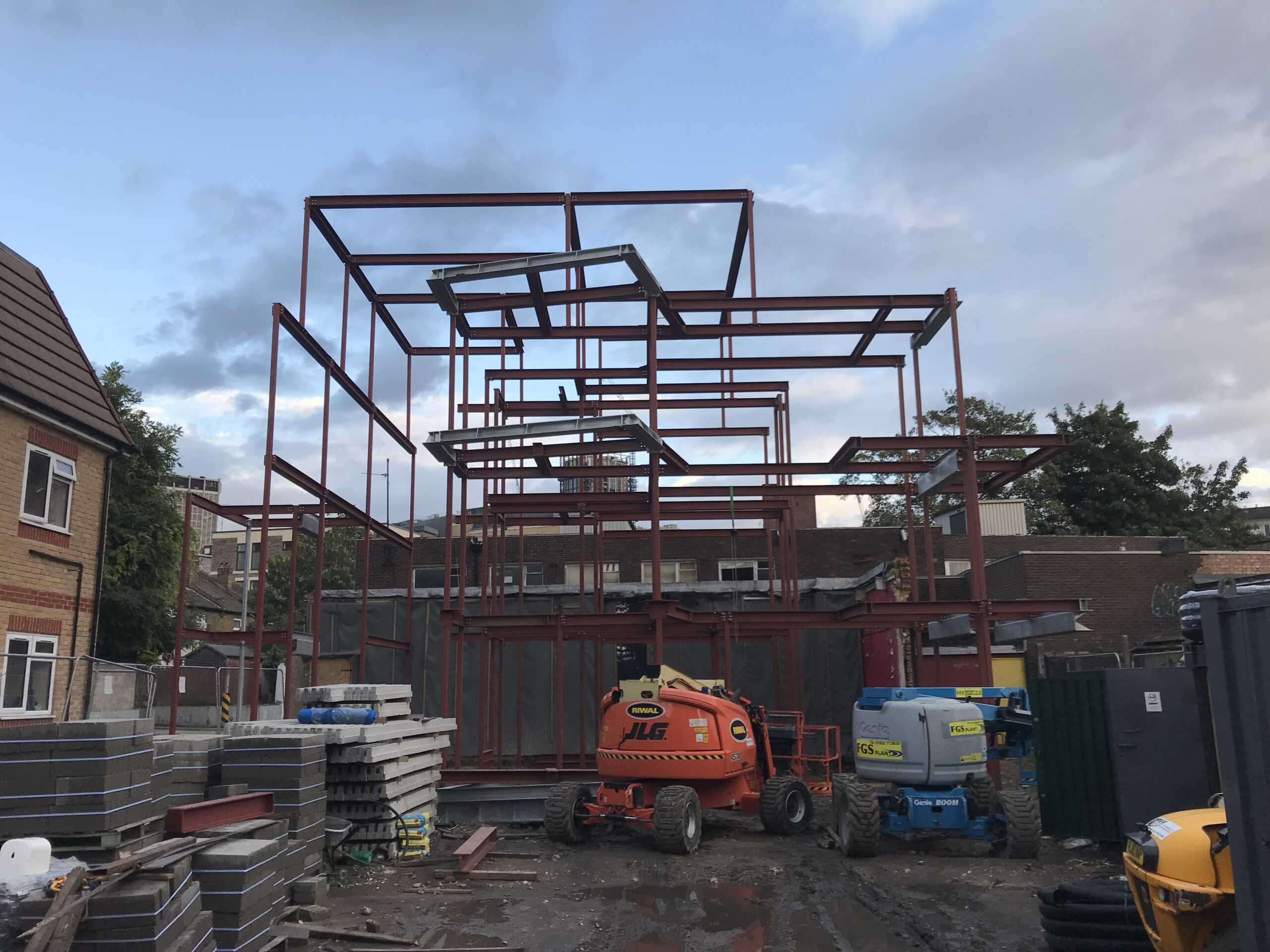
As the construction industry faces increasing pressure to deliver projects efficiently while maintaining high safety and quality standards, structural steel remains a practical choice for a wide range of applications. Its predictable material properties, off-site manufacturing potential and adaptability make it suitable for residential, commercial and industrial developments.
Why Structural Steel Is Widely Used in Modern Construction
Structural steel offers a combination of strength, versatility and manufacturing efficiency that makes it particularly suitable for modern building projects. Its ability to support substantial loads while maintaining relatively slender structural sections allows engineers to develop practical solutions for buildings with different layouts and structural requirements.
Steel also provides greater flexibility when designing complex architectural features, large open spaces and buildings that require long structural spans. When properly designed, fabricated and protected, steel frameworks can provide reliable long-term structural performance.
Sustainability is another consideration for construction companies. Steel can incorporate recycled content and is recyclable at the end of a building’s service life. This makes it a valuable material for projects where material efficiency, waste reduction and environmental considerations are important.
Strength-to-Weight Advantages Over Traditional Materials
One of the main advantages of structural steel is its high strength-to-weight ratio. This allows engineers to design longer spans and taller structures without introducing unnecessarily heavy structural elements.
Depending on the building design, reducing structural weight can also help limit the loads transferred to foundations, potentially influencing foundation design and overall construction costs.
Unlike timber, steel does not shrink or warp in the same way when environmental conditions change. However, it requires appropriate corrosion protection, particularly when exposed to moisture or external environments.
Steel’s structural efficiency also creates opportunities for more flexible building layouts. Open-plan interiors, large uninterrupted floor spaces and cantilevered sections can often be achieved more efficiently with steel frameworks.
For architects and developers working on warehouses, retail units and commercial buildings, this flexibility can be an important factor when selecting construction materials.
Faster Construction and Reduced On-Site Labour
Structural steel components are generally fabricated off-site in controlled workshop conditions before being transported to the construction site for assembly.
This approach allows several manufacturing activities to take place while groundwork and other building preparations are underway. Once the site is ready, fabricated components can be installed according to the agreed erection sequence.
Off-site fabrication can help reduce on-site cutting, welding and modification work, making construction programmes more manageable and reducing exposure to weather-related delays.
For contractors managing multiple projects, having a clearly coordinated fabrication and delivery schedule can also improve labour allocation, equipment planning and overall site management.
Key Stages of the Structural Steel Fabrication Process
A successful structural steel fabrication project requires careful coordination between design teams, engineers, fabricators and installation contractors.
Each stage contributes to the accuracy, quality and performance of the finished structure. Proper planning is essential because mistakes in drawings, measurements or fabrication details can lead to costly modifications and delays during installation.
Design, Detailing and 3D Modelling
The process begins with structural engineering calculations and drawings based on the building’s intended use, dimensions and loading requirements.
These documents establish the required steel sections, member sizes, connection arrangements and other structural details.
Fabricators then use detailed fabrication drawings and, where appropriate, 3D modelling software to plan the manufacturing process. This allows connections, dimensions and potential clashes to be reviewed before fabrication begins.
Building Information Modelling (BIM) can also be incorporated into larger projects where multiple design disciplines need to coordinate their work. A shared digital model can help identify design conflicts and improve communication between architects, structural engineers and contractors.
Accurate detailing at this stage is particularly important for bespoke steelwork, where individual components must fit together correctly during installation.
Cutting, Welding and Surface Treatment
Once the fabrication drawings have been approved, steel sections are prepared according to the specified dimensions.
The manufacturing process may involve:
- Steel cutting: Sections are cut to the required lengths using suitable cutting equipment.
- Drilling and machining: Bolt holes and other connection details are prepared according to fabrication drawings.
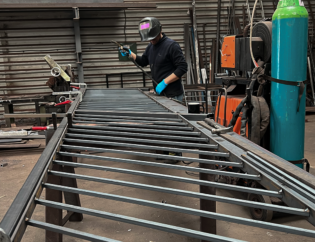
- Welding: Steel components are joined using the specified welding procedures.
- Assembly: Individual members and connection plates are positioned and assembled.
- Surface treatment: Appropriate protective finishes are applied to suit the project’s environmental requirements.
Welding quality is particularly important because connections form a critical part of the structural system. The welding method, inspection requirements and acceptance criteria should follow the project specification and applicable standards.
Depending on the project, protective treatments such as hot-dip galvanising, primers or specialist coating systems may be specified to reduce corrosion.
On-Site Installation and Quality Checks
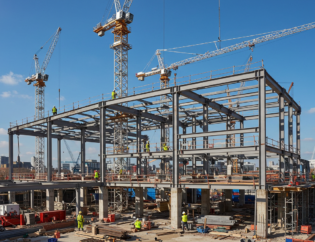
After fabrication and any specified surface treatments have been completed, steel components are prepared for transportation and delivery to the construction site.
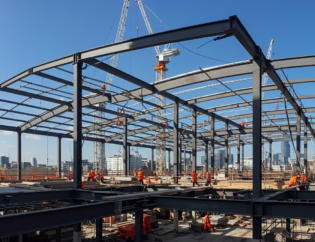
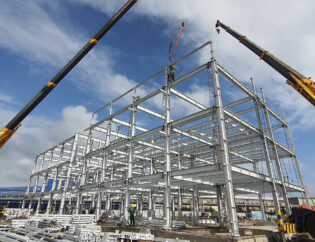
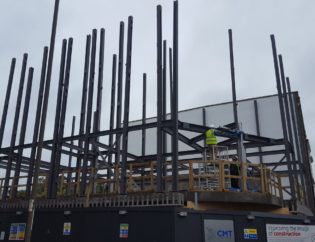
Installation teams follow an agreed erection sequence to ensure that the structure remains stable throughout assembly.
Depending on the project, installation may involve:
- Positioning steel columns and beams.
- Installing structural connections.
- Securing bolted assemblies.
- Aligning and levelling structural members.
- Installing bracing and secondary steelwork.
- Completing specified connection and inspection checks.
Quality inspections may include dimensional verification, visual weld inspections, bolt checks and non-destructive testing where required by the project specification.
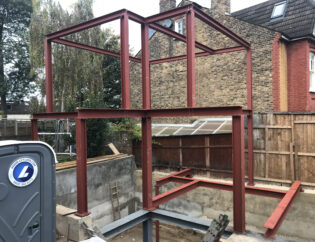
Delivery and lifting arrangements also need to be planned carefully. On restricted London construction sites, for example, crane access, vehicle movements and delivery schedules can have a significant impact on installation efficiency.
Close coordination between the fabrication team and site management helps ensure that steel components arrive in the correct sequence and are ready for installation.
Choosing the Right Structural Steel Fabrication Partner
Selecting an experienced structural steel fabricator is an important decision for any construction company.
The quality of fabrication, communication and project coordination can directly influence construction progress and the final result.
Before appointing a contractor, it is worth evaluating several areas:
Technical Experience
Look for a fabricator with experience in the type of structural steelwork your project requires, whether that involves commercial frames, structural beams, columns, mezzanine floors or bespoke connections.
Manufacturing Capabilities
Understand what the company can manufacture and whether its production capacity matches your project requirements.
Quality Control
Ask about fabrication inspections, welding procedures, material traceability and the quality documentation provided with completed steelwork.
Installation Support
If installation is included in the project scope, clarify how fabrication, transportation and site erection will be coordinated.
Communication and Project Planning
Clear communication is essential when drawings change, site conditions differ from expectations or delivery schedules need to be adjusted.
HAS Metal Work provides structural steel fabrication and design-and-build support for construction projects across London, Essex and the wider UK. Our capabilities include structural frames, beams, columns, complex steel fabrications and architectural metalwork.
Questions to Ask Before Signing a Contract
Before committing to a steel fabrication contractor, construction firms should establish exactly what is included in the proposed service.
Some useful questions include:
- What types of structural steel projects have you completed?
- Can you manufacture directly from approved structural drawings?
- How are fabrication drawings and connection details reviewed?
- What quality assurance procedures are followed?
- What welding and inspection requirements can you accommodate?
- Are transportation and installation included in the quotation?
- How are design changes and unexpected site conditions managed?
It is also important to review insurance coverage, relevant industry certifications and health and safety arrangements.
Where possible, reviewing previous projects and discussing similar fabrication requirements can provide a clearer understanding of a contractor’s capabilities.
For example, understanding how a fabricator approaches structural steel connections can help establish whether they have the technical experience required for more complex projects.
Understanding the Costs of Structural Steel Projects
The cost of structural steel fabrication depends on several factors, and there is no single price that applies to every project.
Steel material prices can fluctuate according to market conditions, while fabrication requirements and installation arrangements also influence the final quotation.
Some of the main cost factors include:
Steel Quantity and Section Sizes
The total steel weight, section dimensions and material specifications have a direct influence on material costs.
Design and Connection Complexity
Projects involving numerous connection plates, bespoke brackets, complex welding details or unusual structural arrangements generally require more fabrication time.
Manufacturing Requirements
Cutting, drilling, machining, welding and assembly requirements all contribute to production costs.
Surface Protection
The specified finish can influence the overall budget. Hot-dip galvanising, protective primers and specialist coating systems have different cost implications.
Transportation and Installation
Delivery distance, vehicle requirements, crane access, lifting equipment and site conditions can all affect the final project cost.
Project Programme
Urgent manufacturing requirements, phased deliveries and changes to the agreed schedule may also influence pricing.
How to Obtain an Accurate Steel Fabrication Quotation
Providing detailed project information is one of the most effective ways to obtain an accurate quotation.
Construction firms should ideally supply:
- Structural engineering drawings.
- Architectural drawings, where relevant.
- Steel schedules and material specifications.
- Connection details.
- Estimated project quantities.
- Site postcode and access information.
- Required surface treatments.
- Fabrication and installation requirements.
- Expected project timeframe.
A detailed quotation should clearly identify the fabrication scope, materials, finishes, transportation and installation requirements.
HAS Metal Work prepares tailored cost plans based on the specific requirements of each project, helping clients understand the proposed scope of work before moving forward.
Why Choose HAS Metal Work for Structural Steel Fabrication?
HAS Metal Work is a steel fabrication company operating from Harlow, Essex, UK, and Istanbul, Turkey, with over eight years of industry experience.
We provide structural steel fabrication and design-and-build support for residential, commercial and industrial construction projects across London, Essex and the wider UK.
Our manufacturing capabilities cover a range of structural and architectural steelwork, including:
- Structural steel frames.
- Steel beams and columns.
- Bespoke steel connections.
- Complex structural fabrications.
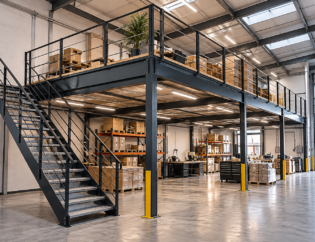
- Mezzanine floor structures.
- Architectural steel staircases.
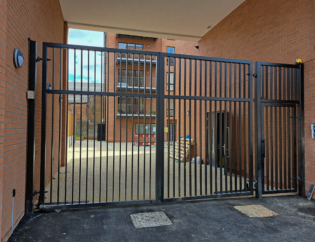
- Gates, railings and balustrades.
We understand that every construction project has different requirements. Our approach focuses on understanding the project scope, reviewing the available technical information and developing a fabrication solution that meets the specified requirements.
With operations in both the UK and Istanbul, HAS Metal Work can also provide additional manufacturing flexibility for projects with varying production requirements.
From a single structural beam to larger commercial steel frameworks, we aim to provide a coordinated service covering design, fabrication and installation.
Planning Your Next Structural Steel Project?
Choosing the right fabrication partner can make a significant difference to the planning, manufacturing and installation stages of a construction project.
Whether you are developing a commercial building, extending an existing property or planning a new industrial structure, accurate drawings, suitable material specifications and experienced fabrication support are essential.
HAS Metal Work works with contractors, developers and businesses to provide structural steel fabrication solutions tailored to individual project requirements.
Contact HAS Metal Work to discuss your project, share your structural drawings and request a tailored steel fabrication quotation.
Visit HAS Metal Work to learn more about our structural steel fabrication services.
You must be logged in to post a comment.