
This fundamental industrial art combines advanced engineering principles with expert craftsmanship. It forms the backbone of global infrastructure, providing the crucial structural integrity and precision needed for complex projects. Understanding its multifaceted nature reveals the depth of its contribution to contemporary development.
The meticulous conversion of raw steel into robust, functional items demands exceptional accuracy and profound expertise. Various sophisticated techniques are employed, each tailored to achieve specific structural, functional, or aesthetic outcomes. This foundational activity ensures paramount durability and reliability across an extensive range of applications.
Exploring the entire journey, from initial conceptual design to final assembly, highlights its indispensable role in shaping our world. It encompasses detailed planning, advanced welding, precise machining, and meticulous finishing operations. This comprehensive approach underscores its profound value in modern manufacturing and large-scale construction.
Without such precise engineering and highly skilled labor, many contemporary marvels would remain unrealized. It represents a powerful synergy of cutting-edge technology and human ingenuity, constantly expanding the possibilities of what can be achieved with metal. This deep dive will explore the essential methods driving our built environment forward.
The Foundational Processes of Metal Shaping
 The Foundational Processes of Metal Shaping
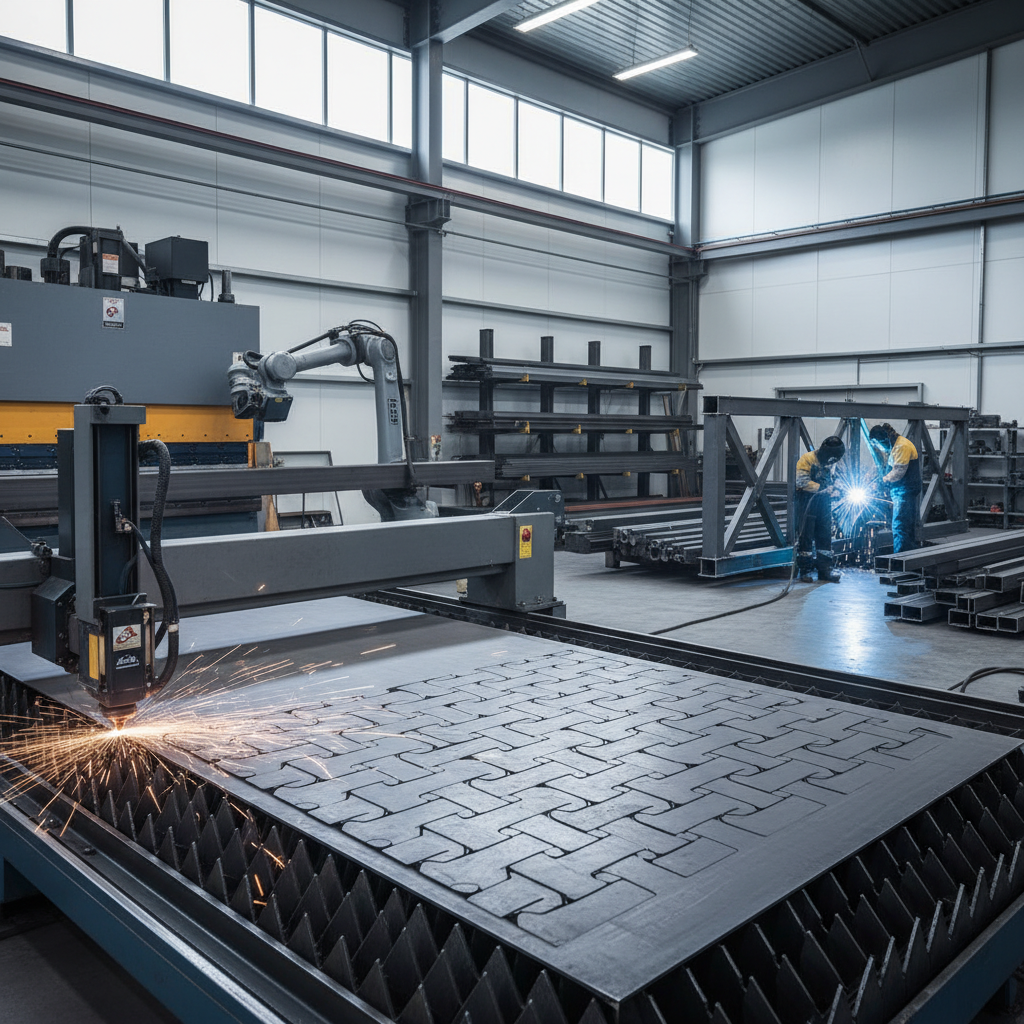
The foundational processes involved in shaping metal are diverse and highly specialized. Cutting is typically the initial stage, employing various techniques. These include:
- Shearing: For straight cuts on sheet metal.
- Plasma Cutting: For thicker metals with high speed.
- Laser Cutting: Offers extreme precision and clean edges.
- Waterjet Cutting: Ideal for heat-sensitive materials.
Each method is chosen based on material type, thickness, and the required precision for the final component.
Following the initial cuts, forming operations reshape the metal without material removal. Techniques such as press braking, rolling, and stamping are commonly utilized. Press brakes create sharp angles, while rolling machines produce curved sections vital for tanks, pipes, and other curved structures. These forming processes require precise pressure and die management.
Machining involves removing material to achieve exact dimensions and intricate features. Drilling creates holes, milling sculpts complex geometries, and turning processes are used for symmetrical cylindrical parts. This step is indispensable for components demanding stringent accuracy and specific tolerances, ensuring perfect fitment.
Welding stands as a pivotal joining process, permanently fusing metal pieces through intense heat and sometimes filler material. Common methods include:
- MIG (Gas Metal Arc Welding): Fast and versatile for various metals.
- TIG (Gas Tungsten Arc Welding): Known for precise, high-quality welds.
- SMAW (Shielded Metal Arc Welding): Robust for heavy-duty applications.
Correct welding practices are paramount for ensuring robust structural integrity and long-term durability.
Finally, finishing prepares the metal for its intended application and environment. This can encompass grinding for smooth edges, sanding to refine surfaces, or polishing for aesthetic appeal. Protective coatings like painting, powder coating, or galvanizing are applied to prevent corrosion and significantly extend the service life of the fabricated components.
Diverse Applications Across Industries
 Diverse Applications Across Industries
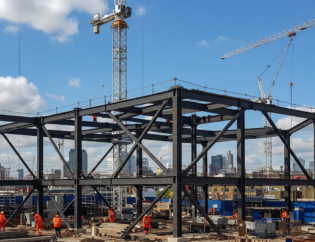
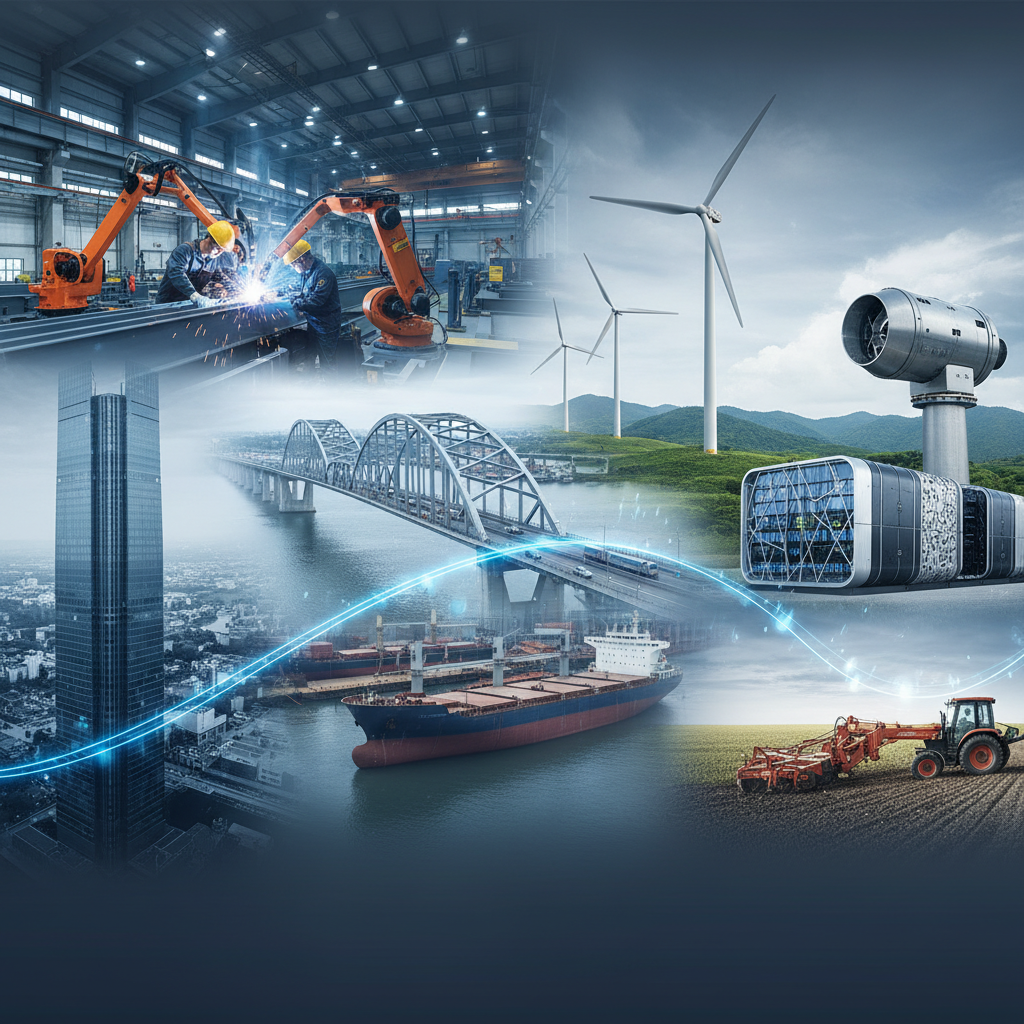
The utility of expertly shaped and joined metal extends across an incredible spectrum of industries. In construction, it forms the skeletal framework of skyscrapers, bridges, and industrial complexes. Structural beams, columns, and trusses provide the strength and stability essential for these monumental projects, ensuring safety and longevity.
The automotive sector heavily relies on tailored metal components for vehicle chassis, body panels, and engine parts. Precision-engineered components contribute to vehicle safety, fuel efficiency, and overall performance. Manufacturers utilize advanced shaping techniques to create lightweight yet robust structures.
For heavy machinery and equipment, customized metal parts are indispensable. Mining equipment, agricultural machinery, and manufacturing presses all incorporate specialized metal assemblies. These applications demand exceptional strength, wear resistance, and the ability to withstand extreme operational conditions over long periods.
In the energy sector, from oil and gas platforms to renewable energy infrastructure, the use of highly durable metal is pervasive. Pipelines, wind turbine towers, and solar panel frames all depend on precisely engineered and robust metal components. The ability to withstand harsh environmental conditions is critical in these applications.
Even artistic and architectural installations frequently employ custom metal solutions. Sculptures, decorative facades, and bespoke interior elements benefit from the material’s versatility and strength. The capability to mold metal into intricate designs allows for breathtaking aesthetic and functional creations that define modern spaces and public art.
Innovations and Technologies Driving Modern Practices
 Innovations and Technologies Driving Modern Practices
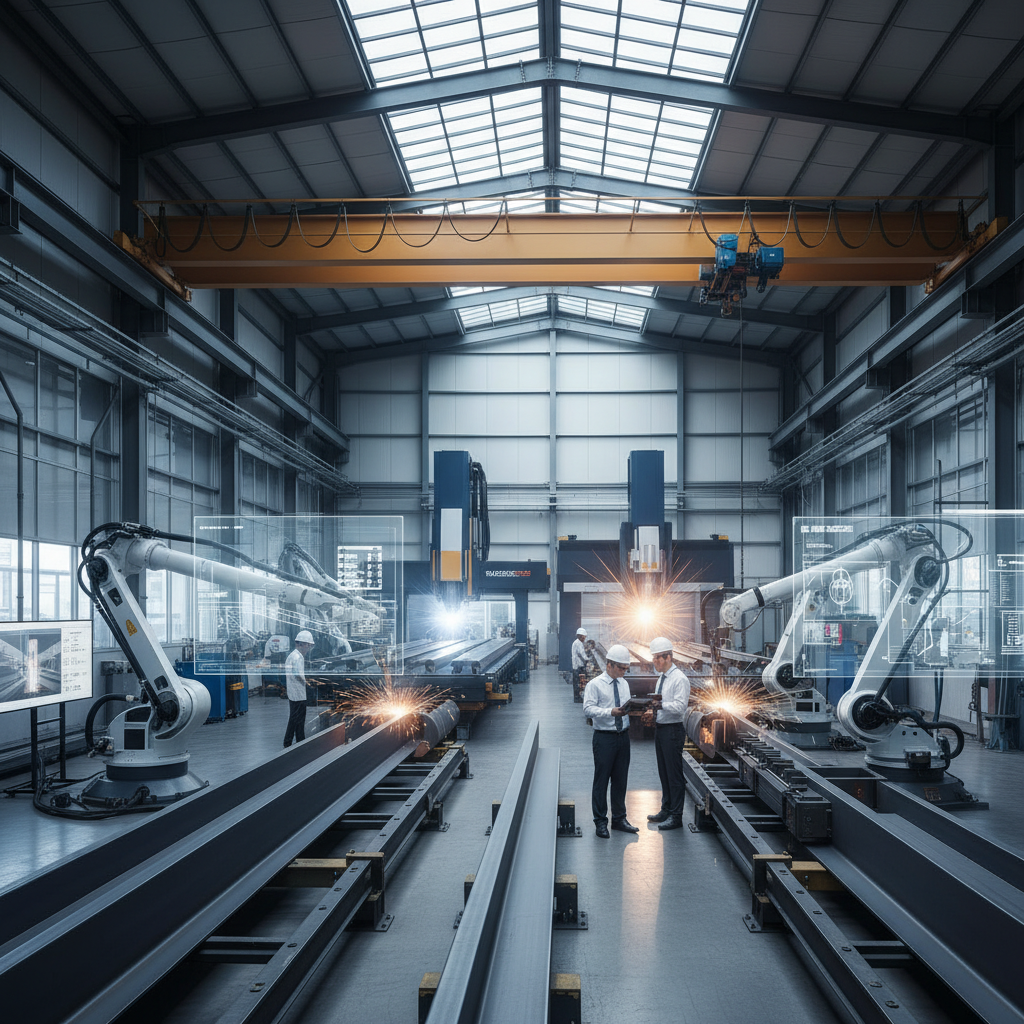
Modern metalworking is continuously revolutionized by technological advancements, enhancing efficiency and precision. Computer Numerical Control (CNC) machines are now standard, automating cutting, bending, and machining processes. These systems use pre-programmed instructions to achieve unparalleled accuracy and repeatability, minimizing human error.
Robotics plays an increasingly significant role in various stages, particularly in welding and material handling. Robotic arms can perform repetitive tasks with consistent quality and speed, improving throughput and worker safety. This automation frees skilled human operators to focus on more complex tasks and quality control.
Advanced software solutions, including CAD (Computer-Aided Design) and CAM (Computer-Aided Manufacturing), streamline the entire workflow. Engineers can design complex structures virtually, simulate performance, and generate machine code directly from their designs. This integration significantly reduces design errors and accelerates production cycles.
New material developments are also pushing boundaries, with high-strength alloys and specialized coatings offering improved performance characteristics. These materials can be lighter, more corrosion-resistant, or possess enhanced thermal properties, opening up new possibilities for diverse applications. Understanding their behavior is key to successful implementation.
Laser and plasma cutting technologies have seen significant improvements in speed, precision, and energy efficiency. These advanced cutting methods allow for intricate designs and cleaner edges, reducing the need for extensive post-processing. The continuous evolution of these tools ensures a higher quality output with less waste and greater sustainability.
The Importance of Quality and Precision Engineering
Quality and precision are paramount in metalworking, directly impacting the safety, longevity, and performance of end products. Structural integrity is non-negotiable, especially for components used in buildings, bridges, and critical machinery. Any deviation from specifications can lead to catastrophic failures, emphasizing the need for meticulous execution.
Adherence to industry standards and codes is crucial for legal compliance and ensuring reliable outcomes. Organizations like the American Welding Society (AWS) and ISO provide guidelines that govern processes, materials, and testing. Reputable fabricators strictly follow these benchmarks, guaranteeing the quality of their work.
Material selection plays a critical role in achieving desired product performance. Choosing the right grade of steel, factoring in environmental conditions and anticipated loads, is a fundamental step. Expert knowledge ensures that materials possess the necessary strength, ductility, and corrosion resistance for their specific application.
Detailed inspection and quality control are integrated throughout the entire production cycle. From checking raw material specifications to verifying weld integrity and final dimensions, every step is rigorously monitored. Non-destructive testing methods, like ultrasonic or radiographic inspection, reveal internal flaws without damaging the component.
Ultimately, precision engineering leads to cost efficiencies and reduced waste. Accurately fabricated components fit together seamlessly, minimizing rework and assembly time on site. This commitment to exactness not only enhances product reliability but also optimizes project timelines and budget, delivering superior value.
Ensuring Durability Through Rigorous Testing
Beyond initial inspections, rigorous testing protocols are fundamental to verifying quality. Non-destructive testing (NDT) methods, such as ultrasonic, radiographic, or magnetic particle inspection, are vital. These techniques allow inspectors to identify internal flaws or surface discontinuities without damaging the finished component, ensuring hidden defects are caught.
Furthermore, destructive testing may be employed on sample pieces to evaluate material strength, ductility, and weld integrity. Tensile tests, bend tests, and impact tests provide crucial data on how the material behaves under various stresses. This comprehensive approach guarantees that every component meets the highest standards of safety and performance.
Selecting the Right Partner for Your Project
Choosing an experienced and reliable partner is critical for the success of any project involving customized metalwork. Look for a company with a proven track record and extensive experience in projects similar to yours. A long history of successful deliveries indicates competence and reliability, giving you confidence in their capabilities.
Assess their technological capabilities and equipment. A modern facility equipped with advanced CNC machinery, robotic systems, and high-precision tools reflects a commitment to quality and efficiency. Outdated equipment can lead to lower precision, slower turnaround times, and potentially higher costs for your project.
Certifications and adherence to industry standards are non-negotiable indicators of a fabricator’s quality commitment. Verify that they comply with relevant international and local standards, such as ISO certifications for quality management and specific welding certifications. These ensure their processes meet rigorous benchmarks.
Consider their project management and communication skills. A good partner will offer transparent communication, provide regular updates, and demonstrate strong organizational abilities. Clear lines of communication are essential for addressing any issues promptly and ensuring the project stays on schedule and within budget.
Finally, evaluate their design and engineering support. A top-tier fabricator often provides valuable input during the design phase, offering solutions that can optimize costs, improve functionality, or enhance manufacturability. Their expertise can transform your concepts into practical, efficient, and high-quality finished products.
Value Beyond the Initial Quote
While cost is always a consideration, focusing solely on the lowest bid can be misleading. A reputable metalworking partner offers long-term value through superior quality, timely delivery, and proactive problem-solving. Their expertise minimizes errors and rework, ultimately saving time and money throughout the project lifecycle.
Consider their commitment to after-sales support and potential for future collaboration. A strong relationship with a reliable fabricator can be an invaluable asset for ongoing projects. Investing in a partner who prioritizes quality and client satisfaction ensures a successful outcome and peace of mind.
Frequently Asked Questions
What is the primary difference between metal fabrication and welding?
Metal fabrication encompasses the entire process of transforming raw metal into a usable product, involving cutting, bending, and assembling. Welding is a specific joining method used within the broader fabrication process to fuse metal pieces together.
What types of industries benefit most from custom metalwork?
Industries like construction, automotive, energy, and heavy machinery greatly benefit from custom metalwork. These sectors require tailor-made components that meet precise specifications for strength, durability, and specific functional needs.
How does technology impact modern metal shaping processes?
Technology, including CNC machines, robotics, and advanced software like CAD/CAM, significantly enhances precision, efficiency, and safety. It automates complex tasks, reduces errors, and speeds up production cycles, leading to higher quality outputs.
Why is material selection critical in expert metal shaping?
Material selection is crucial because it directly influences the final product’s strength, durability, and performance under specific conditions. Choosing the correct steel grade ensures the component can withstand its intended environment and loads, preventing premature failure.
What are the key factors to consider when choosing a metalworking partner?
Key factors include their experience, technological capabilities, industry certifications, and communication practices. A reputable partner should demonstrate a proven track record, utilize modern equipment, adhere to standards, and maintain transparent project communication.