
Today’s metal staircases offer unparalleled versatility, adapting seamlessly to diverse environments from sleek modern homes to robust industrial complexes. Their inherent strength and adaptability allow for an impressive array of designs, finishes, and applications.
These structures are increasingly recognized not just for their practical benefits but also for their ability to become central artistic statements. They invite innovative architectural expressions, enhancing both interior and exterior environments. Understanding their multifaceted appeal reveals why they remain a preferred choice for discerning designers and property owners.
This exploration delves into the diverse world of metal stairs, examining their design versatility, inherent durability, and significant applications. We will uncover how they continue to evolve as sustainable, low-maintenance solutions for various building needs.
The Versatility and Aesthetic Appeal of Custom Metal Staircases
 The Versatility and Aesthetic Appeal of Custom Metal Staircases
Custom metal staircases stand as true testaments to the power of tailored design in modern architecture. They offer an exceptional degree of design flexibility, allowing architects and homeowners to achieve truly unique visual statements. Unlike pre-fabricated options, bespoke metal stairs can perfectly match specific spatial requirements and aesthetic visions, becoming integral parts of the building’s narrative.
The choice of metal itself contributes significantly to the final aesthetic. Steel, for instance, provides a contemporary, minimalist look often favored in industrial-chic or modern designs. Aluminum offers lightweight elegance and corrosion resistance, ideal for outdoor or marine environments. Wrought iron, conversely, lends itself to more ornate, classic, or even gothic styles, adding intricate detail and a sense of timeless craftsmanship to any setting.
Beyond the primary material, finishing techniques further expand the design possibilities. Options include polished steel for a reflective, high-end look or brushed finishes for a softer, matte appearance. Powder coating allows for a vast spectrum of colors, enabling the stairs to either blend seamlessly with the decor or stand out as a bold, contrasting feature. These finishes also add crucial protection against wear and environmental factors.
Integrating other materials, such as glass treads or balustrades, timber handrails, or stone landings, elevates the design complexity. This material interplay creates visually dynamic structures that catch the eye and provide textural contrast. Such combinations can soften the industrial edge of metal, adding warmth and sophistication that complements diverse interior palettes.
Ultimately, custom metal staircases are not merely pathways; they are sculptural elements that define and enhance a space. Their ability to be shaped into intricate spirals, dramatic cantilevers, or clean, straight lines makes them adaptable to any architectural style. They transform an ordinary transition into an extraordinary experience, reflecting the unique identity of the property and its inhabitants.
Engineering Durability and Safety in Architectural Stair Design
 Engineering Durability and Safety in Architectural Stair Design
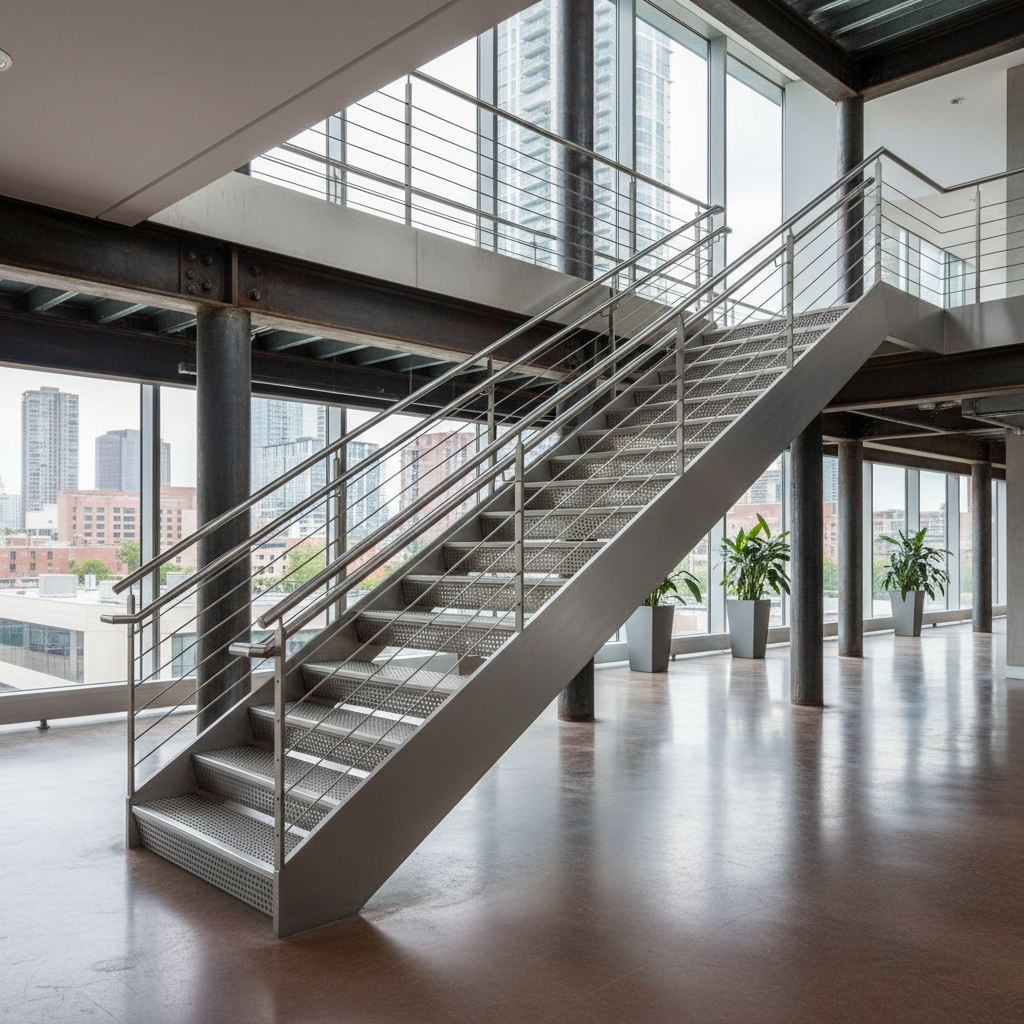
The inherent strength and longevity of metal make it an ideal material for stair construction, offering unparalleled durability. Metal staircases are renowned for their robust nature, capable of withstanding heavy foot traffic and significant structural loads over decades. This makes them a preferred choice for both high-traffic commercial environments and resilient residential applications.
Advanced engineering principles are critical in ensuring both the structural integrity and long-term performance of these architectural features. Precise calculations for load-bearing capacity, deflection, and vibration are performed during the design phase. This rigorous approach guarantees that each staircase is not only aesthetically pleasing but also exceptionally sound and safe for its intended use, adhering strictly to building codes.
Safety is paramount in any stair design, and metal stairs incorporate numerous features to ensure user protection. Non-slip treads, often achieved through textured surfaces, rubber inserts, or perforated designs, significantly reduce the risk of accidents. Additionally, appropriate railing heights, sturdy balusters, and secure handrails provide essential support and prevent falls, meeting all required safety standards.
Compliance with local and international building codes is a non-negotiable aspect of designing and fabricating metal staircases. This includes regulations concerning tread depth, riser height, landing dimensions, and accessibility requirements. Professional fabricators ensure that every component meets or exceeds these stringent standards, prioritizing the well-being of users at every stage of the process.
Furthermore, the selection of the correct metal alloy and proper fabrication techniques contribute significantly to the overall safety profile. Welding quality, fastener strength, and corrosion protection are all meticulously managed to prevent premature wear or failure. This commitment to engineering excellence ensures that metal staircases offer both lasting beauty and unwavering reliability.
Modern Applications: From Residential Elegance to Industrial Functionality
 Modern Applications: From Residential Elegance to Industrial Functionality
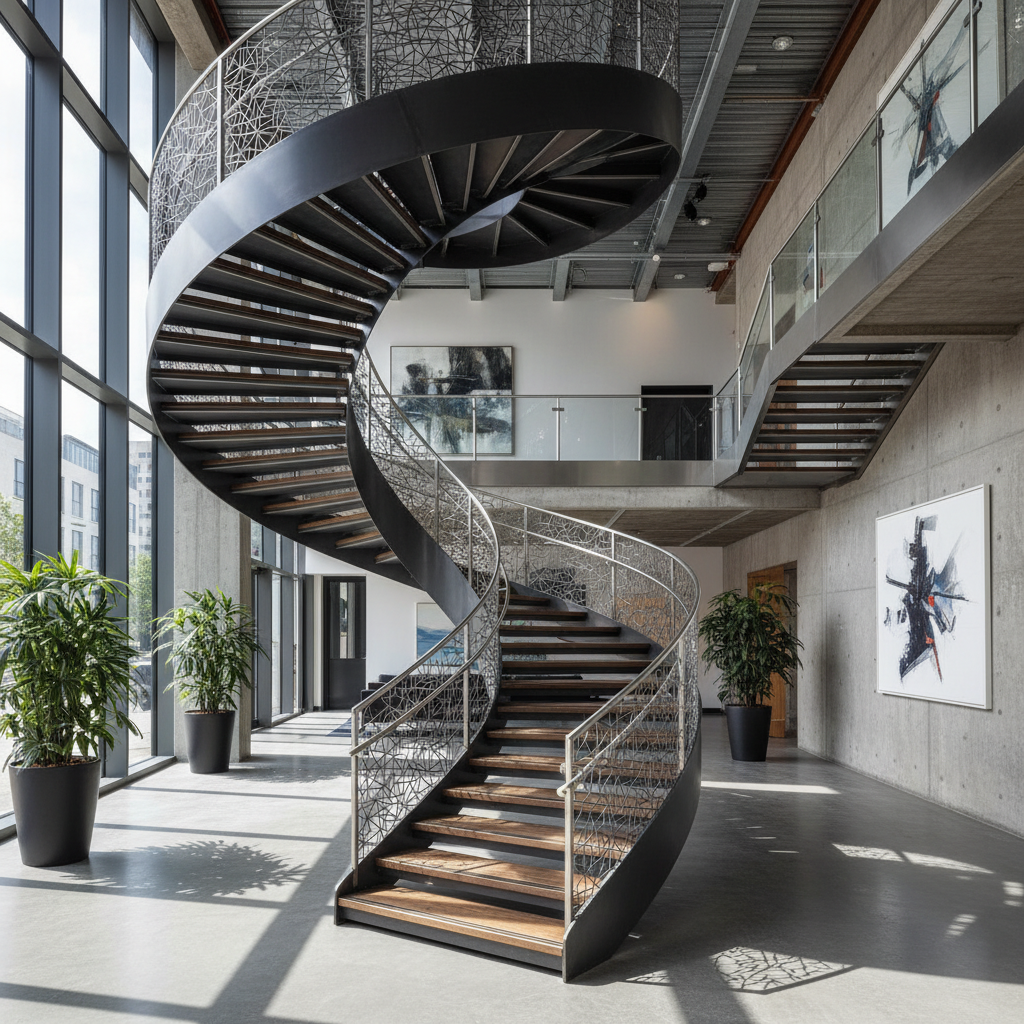
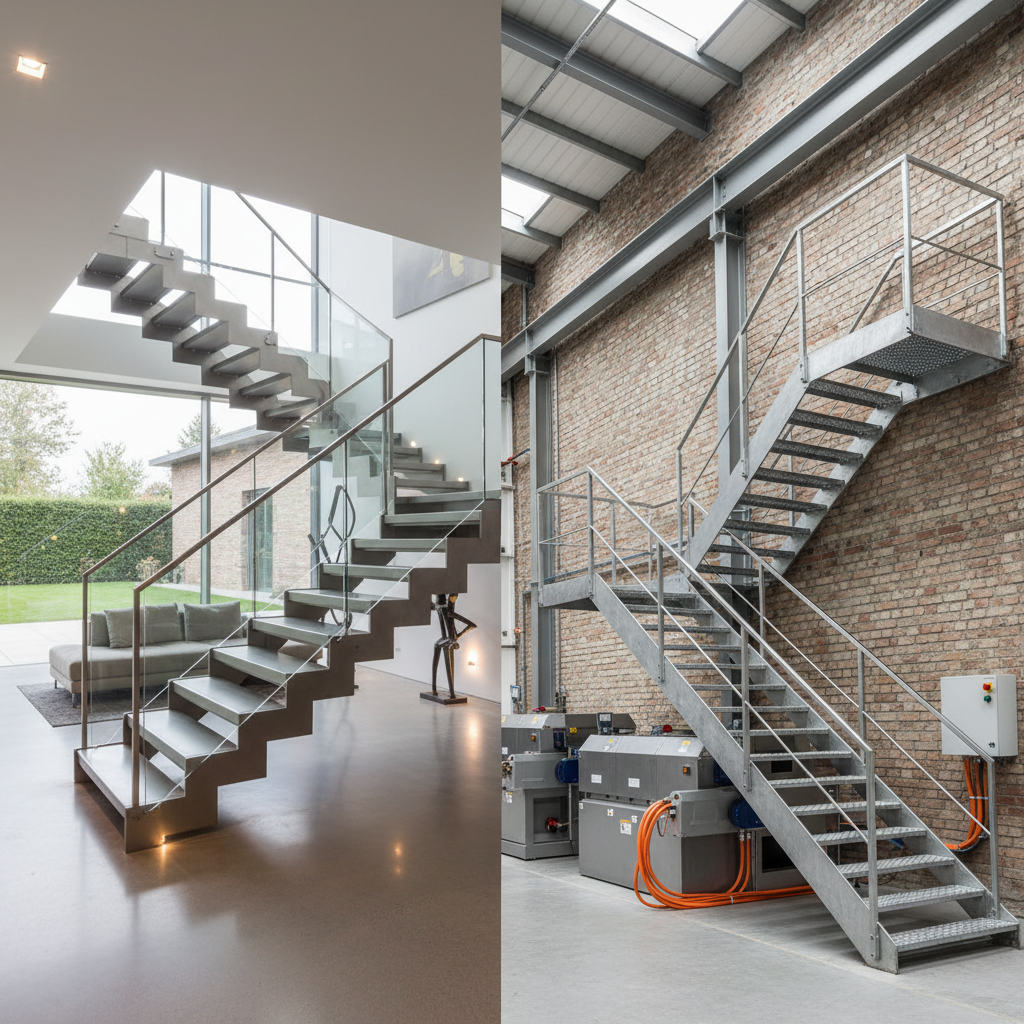
Metal stairs find diverse applications across an extensive range of settings, each requiring specific design considerations and functional attributes. In residential properties, they often serve as striking architectural focal points, embodying modern luxury and artistic expression. Spiral staircases, with their graceful curves, maximize space efficiency while adding a sculptural element to entryways or multi-story living areas.
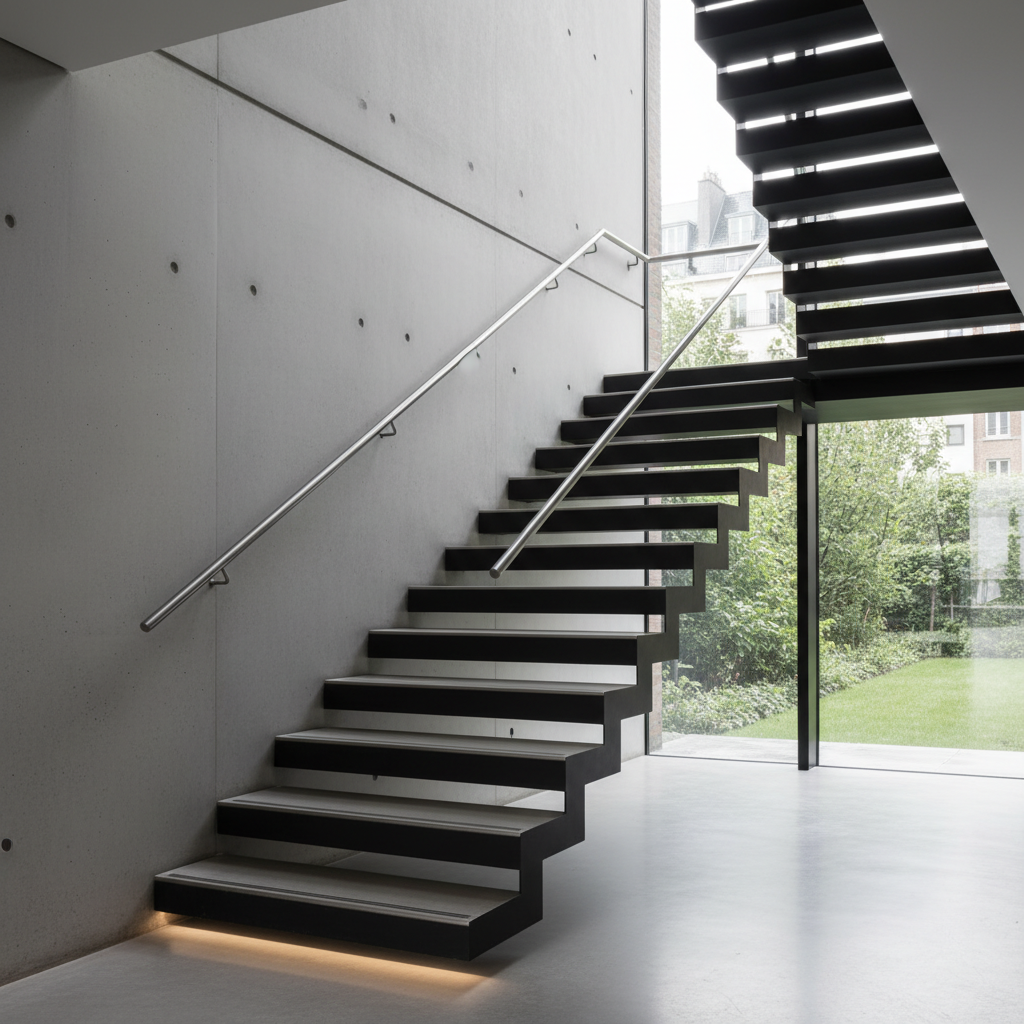
Floating metal staircases, where treads appear unsupported, create an illusion of lightness and openness, ideal for minimalist or contemporary homes. These designs allow light to pass through, enhancing the airy feel of a space. Their clean lines and understated elegance can transform a simple transition into an integral part of the home’s aesthetic, seamlessly blending with surrounding decor.
Commercial applications demand staircases that are not only aesthetically pleasing but also exceptionally durable and compliant with public safety codes. Office buildings, retail establishments, and hotels frequently feature grand metal staircases in their lobbies, designed to handle high volumes of foot traffic. These often combine metal with glass or wood to achieve a sophisticated, welcoming atmosphere that reflects the brand identity.
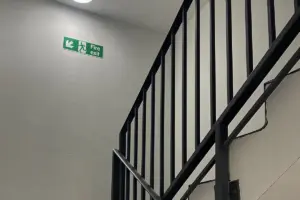
Industrial environments, in contrast, prioritize robust functionality and extreme durability. Here, metal stairs, platforms, and access ladders are engineered for heavy-duty use, often in challenging conditions. Fire escapes, maintenance access stairs, and catwalks must withstand harsh elements, corrosive substances, and rigorous daily operations, emphasizing safety and structural resilience above all.
Each application dictates specific material choices, finishes, and design features. From the polished chrome of a luxury retail space to the galvanized steel of an outdoor fire escape, the adaptability of metal allows it to perfectly suit its purpose. This broad spectrum of use underscores the material’s unparalleled versatility and its critical role in modern construction across various sectors.
Sustainable Choices and Maintenance Benefits of Metal Stair Systems
The environmental credentials of metal stair systems are increasingly recognized, making them a sustainable choice in contemporary construction. Metals like steel and aluminum are highly recyclable, significantly reducing waste and the demand for virgin resources. Choosing stairs made from recycled content further lessens the ecological footprint, supporting a circular economy within the building industry.
Their exceptional longevity also contributes to sustainability, as metal stairs rarely need replacement or extensive repairs over their lifespan. This inherent durability translates into fewer materials consumed and less energy expended on manufacturing new components. Investing in quality metal stairs is therefore a decision that pays dividends in both long-term cost savings and environmental responsibility, reducing lifecycle impacts.
Beyond their eco-friendly aspects, metal staircases offer significant advantages in terms of maintenance. Unlike wood, metal is impervious to rot, pest infestations, and fungal growth, eliminating the need for costly treatments and frequent inspections. This resilience makes them particularly suitable for outdoor installations or environments with fluctuating humidity, where other materials might quickly degrade.
Modern finishes, such as powder coating or galvanization, provide an excellent protective layer, further reducing maintenance requirements. These coatings protect against rust and corrosion, ensuring the stairs retain their aesthetic appeal and structural integrity for years. A simple routine cleaning is often all that is needed to keep them looking pristine, freeing up time and resources for other priorities.
The combination of minimal maintenance and a long service life results in a highly cost-effective solution over time. While the initial investment might be comparable to other high-quality materials, the absence of ongoing repair or extensive upkeep costs makes metal stairs an economically sound choice. Their resilience and low demands for care make them an attractive option for both public and private spaces.
Frequently Asked Questions
What are the primary benefits of choosing metal stairs over other materials?
Metal stairs offer superior durability, requiring minimal maintenance and resisting rot, pests, and fire. They also provide immense design versatility, allowing for unique custom aesthetics that can be tailored to any architectural style, from modern to industrial.
Can metal stairs be customized to fit unique architectural designs?
Absolutely, metal stairs are highly customizable. They can be fabricated into various shapes like spirals, straight runs, or cantilevers, and can incorporate different finishes and material combinations to perfectly match specific spatial requirements and design visions.
Are metal stairs suitable for outdoor use, and how do they resist weather?
Yes, metal stairs are very suitable for outdoor applications. When properly treated with galvanization, powder coating, or using corrosion-resistant metals like aluminum, they effectively resist rust and weathering, ensuring long-term performance and appearance.
What maintenance is required for metal staircases?
Metal staircases require minimal maintenance. Routine cleaning with mild soap and water is typically sufficient. Occasional inspection for any surface damage or loose fasteners is recommended to ensure their longevity and safety.
How long does it typically take to fabricate and install custom metal stairs?
The timeline for custom metal stairs varies significantly based on complexity, size, and chosen materials. Fabrication can range from a few weeks to several months, with installation typically requiring a few days to a week, depending on site conditions.