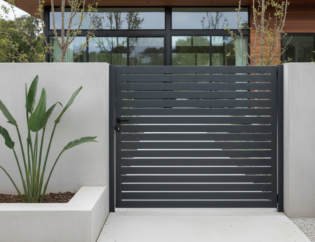


This material’s versatility extends across an impressive spectrum of uses, from architectural marvels to essential medical instruments. Engineers and designers frequently specify stainless steel due to its strength, aesthetic appeal, and minimal maintenance requirements. Its widespread adoption is a testament to its reliability and adaptability in demanding environments.
The unique composition, typically involving chromium, forms a passive layer on its surface, which is key to its ‘stainless’ quality. This protective film continuously self-repairs, ensuring consistent performance even after surface damage. Consequently, stainless steel is a material that not only performs robustly but also maintains its pristine appearance over time, contributing significantly to both functionality and design.
Understanding the intricacies of stainless steel, from its fundamental properties to its diverse applications, reveals why it remains indispensable. We will explore its enduring appeal, its wide range of uses, the different grades available, and its crucial environmental benefits. Join us as we delve into the multifaceted world of this extraordinary metal.
The Enduring Appeal of Stainless Steel: A Material Overview
 The Enduring Appeal of Stainless Steel: A Material Overview
The enduring appeal of stainless steel stems from its unparalleled corrosion resistance, primarily due to its chromium content. This element reacts with oxygen to form a thin, passive layer on the surface, which is largely impervious to rust and staining. This self-healing film is crucial for its longevity in harsh or moist conditions, offering reliability where other metals falter.
Beyond its resistance to environmental degradation, stainless steel boasts impressive mechanical properties. It exhibits high strength, excellent toughness, and good ductility, allowing it to be formed into complex shapes without compromising integrity. Furthermore, many grades retain their strength at both high and low temperatures, expanding their utility significantly across various demanding environments.
Another significant advantage is its inherent hygienic quality. The smooth, non-porous surface of stainless steel makes it easy to clean and sanitize, preventing the proliferation of bacteria. This characteristic is vital for applications in the food processing, pharmaceutical, and medical industries, where strict hygiene standards are paramount for public safety and product integrity.
The aesthetic versatility of stainless steel also contributes to its widespread adoption. Available in various finishes, from brushed to highly polished, it can complement any design aesthetic, offering a sleek, modern look. Its combination of strength, hygiene, corrosion resistance, and visual appeal makes it an exceptionally desirable material for countless modern applications, securing its enduring legacy.
Beyond Durability: Unveiling Stainless Steel’s Versatile Applications
 Beyond Durability: Unveiling Stainless Steel’s Versatile Applications
While often celebrated for its exceptional durability, stainless steel’s true strength lies in its incredible versatility across numerous sectors. Its unique properties allow it to seamlessly transition from heavy industry to delicate medical procedures. This adaptability ensures that stainless steel is not merely a robust material but a solution provider for complex challenges.
In the culinary world, stainless steel is indispensable, forming the backbone of professional kitchens and countless household appliances. Its non-reactive surface prevents flavor transfer and ensures hygiene, making it perfect for cookware, cutlery, and food preparation surfaces. Similarly, the medical field relies heavily on its sterile properties for surgical instruments, implants, and laboratory equipment, where cleanliness is critical.
Architects and designers frequently incorporate stainless steel into modern structures and interior designs. Its strength-to-weight ratio, coupled with its resistance to weathering and aesthetically pleasing finishes, makes it ideal for building facades, sculptures, and decorative elements. This broad application highlights its role in creating both functional and visually striking environments across urban landscapes.
Furthermore, the automotive, aerospace, and marine industries leverage stainless steel for critical components exposed to extreme conditions. Its corrosion resistance is vital for preventing rust in salty environments, while its strength endures high stresses and temperatures. From industrial tanks and pipes to consumer goods, stainless steel truly transcends conventional material boundaries, proving its invaluable utility across almost every aspect of modern life.
Understanding the Grades: A Deep Dive into Stainless Steel Types
 Understanding the Grades: A Deep Dive into Stainless Steel Types
Stainless steel is not a single material but rather a family of alloys, each designated by a specific grade to indicate its unique composition and properties. Understanding these different grades is crucial for selecting the most appropriate material for any given application. Each grade is engineered to excel in particular environments or tasks, offering tailored performance characteristics.
One of the most common types is austenitic stainless steel, exemplified by grades like 304 and 316. These grades are non-magnetic, highly corrosion-resistant, and easily formable, making them popular for kitchen sinks, food processing equipment, and architectural trim. Grade 316, containing molybdenum, offers superior resistance to chlorides and acidic solutions, making it ideal for marine or chemical environments.
Ferritic stainless steels, such as grade 430, are magnetic and possess good corrosion resistance, though generally less than austenitic types. They are often used in less corrosive environments, including automotive trim, kitchen appliance components, and decorative applications where cost-effectiveness is a key consideration. Their magnetic properties can be advantageous for specific industrial processes.
Martensitic stainless steels, like grade 410, are known for their hardness and strength, achieved through heat treatment. These grades are magnetic and often used for cutlery, surgical tools, and industrial blades where wear resistance is paramount. The selection of the correct stainless steel grade is a critical decision that significantly impacts both the performance and longevity of the final product, ensuring optimal functionality.
Sustaining the Future: The Environmental Edge of Stainless Steel
Beyond its robust performance and aesthetic appeal, stainless steel offers significant environmental benefits that align with global sustainability goals. Its eco-friendly characteristics make it a preferred material for projects aiming to reduce their ecological footprint. These advantages contribute to a more sustainable future across various industries, from manufacturing to construction.
A primary environmental advantage of stainless steel is its exceptional recyclability. It is 100% recyclable, and a significant portion of new stainless steel production comes from recycled scrap. This closed-loop material cycle minimizes waste, conserves natural resources, and reduces the energy required for virgin material extraction and processing, making it a truly sustainable choice.
Furthermore, the inherent longevity and durability of stainless steel contribute greatly to its environmental profile. Products made from stainless steel typically have a very long lifespan, reducing the need for frequent replacement. This extended service life means less material consumption and less waste generation over time, supporting a circular economy model and minimizing landfill burden.
Stainless steel also requires minimal maintenance, often needing only basic cleaning with water and mild detergents, thus reducing the use of harsh chemical cleaners. Its hygienic surface properties lessen the need for intensive sterilization chemicals in sensitive applications. This combination of recyclability, longevity, and low maintenance firmly establishes stainless steel as a leading material for building a more sustainable and responsible world.
Frequently Asked Questions
What makes stainless steel “stainless”?
Stainless steel is “stainless” due to its chromium content, which forms a passive, self-healing oxide layer on the surface. This protective film prevents rust and corrosion, maintaining the metal’s integrity and appearance over time.
Is all stainless steel magnetic?
No, not all stainless steel is magnetic. Austenitic grades, such as 304 and 316, are generally non-magnetic in their annealed state. However, ferritic and martensitic grades are magnetic due to their specific microstructures.
What is the difference between 304 and 316 stainless steel?
Both 304 and 316 are austenitic stainless steels, but 316 contains molybdenum, which enhances its corrosion resistance. This makes 316 superior in environments with chlorides, like marine settings or chemical processing plants, compared to 304.
How should I clean stainless steel?
For most general cleaning, a soft cloth with warm water and a mild detergent is sufficient. Always wipe along the grain of the finish and dry the surface thoroughly to prevent water spots and streaks. Avoid using abrasive cleaners or steel wool.
Is stainless steel environmentally friendly?
Yes, stainless steel is considered highly environmentally friendly. It is 100% recyclable, has an exceptionally long lifespan, and its low maintenance requirements reduce resource consumption and waste. Its production also often incorporates a high percentage of recycled materials.